
"China coffee beans"
20000 article(s) found

China's legal Industry Policy on imported Coffee-the amount of Coffee imported by China per year
China's legal and industry policy on coffee import-the main functions of China's annual coffee import quantity importers association include: to obtain the understanding and support of the government, media and the public for China's coffee import as much as possible through overall publicity; to guide enterprises engaged in coffee import to abide by the relevant laws and regulations of the state; to help enterprises and relevant units solve the problems encountered in the process of import trade
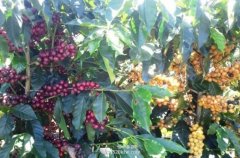
The History of Coffee in China
According to historical data, Taiwan was first planted successfully in 1884. Coffee trees were planted in China. Coffee cultivation in China began in Yunnan. In 1902, seeds introduced by a French missionary named Tian were planted successfully in Binchuan County, Yunnan Province. Commercial cultivation of Yunnan coffee began in 1985, but it has grown

There are more than 500 Tims coffee stores in China, with revenue growth of more than 70% in half a year!
Professional coffee knowledge exchange more coffee bean information please follow the coffee workshop (Wechat official account cafe_style) more boutique coffee beans please add private Wechat Qianjie coffee, WeChat: qjcoffeex recently, Tims coffee in China officially opened in Dongguan, Guangdong. This is

China's coffee growing industry may encounter "price winter" appeal to the public to drink more "Yunnan coffee beans"!
Professional barista exchanges, please pay attention to coffee workshop (Weixin Official Accounts cafe_style) China's largest coffee producing area Yunnan Province is about to usher in the harvest season. The industry expects that China's coffee planting industry will encounter "price winter" again in the new season, and the industry appeals to the public to drink more Yunnan coffee beans to help coffee growers and enterprises survive the winter. Yunnan Province Coffee Industry Association recently released
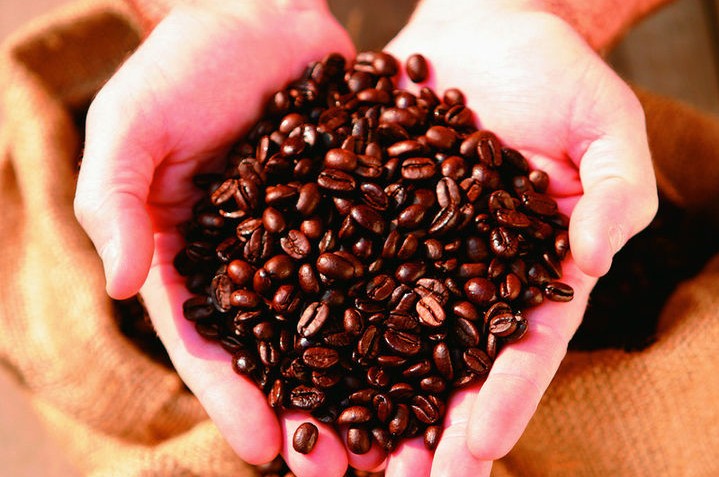
In the next decade, China will become one of the countries with the largest coffee sales in the world.
The large-scale destruction of instant coffee by beverage bosses and functional drinks Nestl é did not stop beverage companies from being enthusiastic about the coffee market. Starbucks, Master Kang and China Resources Yibao have said that they will deeply cultivate the coffee and functional drinks market.

When was coffee introduced into China? when did coffee become popular in China?
The history of the introduction of coffee into China is not long, and it was not until 1884 that coffee was first planted in Taiwan Province. In the mainland of the motherland, the earliest coffee cultivation began in Yunnan. At the beginning of the 20th century, French missionaries brought the first batch of coffee saplings to Binchuan County, Yunnan Province, and began to grow coffee in the mainland. Chinese people have been drinking tea for thousands of years.
Howard, the father of Starbucks, said: he will visit China with the new CEO as soon as possible!
Professional coffee knowledge exchange more coffee bean information please follow the coffee workshop (Wechat official account cafe_style) more boutique coffee beans please add private Wechat Qianjie Coffee, WeChat: qjcoffeex recently, in an exclusive interview with the Wall Street Journal, Starbucks interim CEO Howard. Schultz

Introduction to the earliest coffee growing areas in China
Where does the earliest coffee growing area in China come from? The most common theory is that coffee originated from the discovery of a shepherd in Ethiopia in the 6th century A.D., when he was grazing, he found that the sheep became excited after eating some red fruit, so he tasted some of it himself, and he felt refreshed. Then the Yemenis invented a way to boil the coffee beans and drink the soup, and from then on the fruit

Coffee production and consumption in China
Guanyanxia food industry analyst pointed out: the world consumes at least 400 billion cups of coffee every year, and the current global coffee consumption is about 10 million tons. At present, the Chinese market is in an environment that continues to meet the growing material and cultural needs of people, which also provides a good external environment and market space for imported coffee. With the increasing number of drinks in China

China Coffee Bean Import data _ Chinese Coffee Bean Market Forecast _ where can I find Coffee beans in Guangzhou
Professional coffee knowledge exchange more coffee bean information Please follow the coffee workshop (Wechat official account cafe_style) China's coffee bean import will reach 124000 tons in 2020) China's coffee market is experiencing rapid growth. There are four main types of imported coffee beans: unroasted coffee without caffeine, unroasted coffee with caffeine, and unsoaked coffee.

China's coffee market is rapidly growing into a red sea, and brands from all over the world are rushing into it
Professional coffee knowledge exchange More coffee bean information Please pay attention to coffee workshop (Weixin Official Accounts cafe_style) According to this year's report of China Business Industry Research Institute, the coffee market scale in China exceeded 200 billion yuan (RMB, the same below) last year, and it is expected to reach 300 billion yuan by 2020. The rapid growth has attracted many countries to actively enter the market, including Brazil's Santa Monica coffee is expected to enter China.

When was coffee introduced into China? Spread and Development of Coffee in China
The word coffee comes from the Greek word Kaweh, which means strength and enthusiasm. Coffee tree is an evergreen shrub of Capsaceae. Daily coffee is made from coffee beans combined with a variety of cooking utensils, and coffee beans refer to the nuts in the fruit of coffee trees, which are then roasted with appropriate roasting methods. In ancient China, Shennong tasted all kinds of herbs and recorded them one by one.

2016 the first China International Fine Coffee and Raw Bean auction was held in Shanghai.
From 9:00 to 13:00 on March 29th, the 2016 China International Fine Coffee Raw Bean auction, co-sponsored by Pu'er Coffee Association, Yangtze River Delta Coffee Industry Association, Yunnan Coffee Trading Center Co., Ltd. and Shanghai Free Trade Zone Coffee Trading Center Co., Ltd., was solemnly held in WT1-M Conference Room of Shanghai New International Expo Center. Yang Lin, Vice Mayor of Pu'er Municipal Government, and Shanghai Commerce

International Coffee Day, let's talk about Yunnan beans.
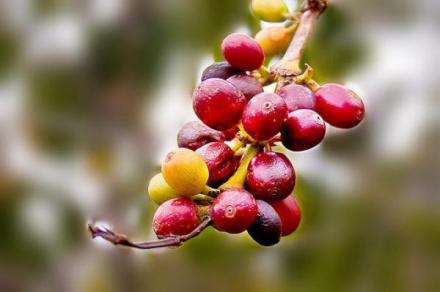
Jiaxiang Guide: October 1, 2015, as the world's first coffee day, China's coffee industry seems to be more excited than the National Day. Although China is not yet a member of the International Coffee Organization, Yunnan Douzao is currently the fastest growing bean in China. Will Yunnan Dou lead China into the world coffee industry in the near future? Wait and see ~ in China, have a cup of Yunnan
International Coffee Day, let's talk about Yunnan beans.
Jiaxiang Guide: October 1, 2015, as the world's first coffee day, China's coffee industry seems to be more excited than the National Day. Although China is not yet a member of the International Coffee Organization, Yunnan Douzao is currently the fastest growing bean in China. Will Yunnan Dou lead China into the world coffee industry in the near future? Wait and see ~ in China, have a cup of Yunnan

Foreign coffee brand China Enclosure Silicon Valley newcomer Wheelys wants to challenge Starbucks
Compared with the global average growth rate of 2%, China's coffee consumption is growing in double digits, and the huge market prospect has attracted the covet of many foreign brands. According to local media in Shanghai, Wheelys, a coffee brand from Sweden with the Silicon Valley incubation label, has announced plans to expand in the domestic market and intends to set up an industrial fund to promote the development of city operators.

Foreign coffee brand China "enclosed land" Silicon Valley newcomers want to challenge Starbucks?
Compared with the global average growth rate of 2%, China's coffee consumption is growing in double digits, and the huge market prospect has attracted the covet of many foreign brands. According to local media in Shanghai, Wheelys, a coffee brand from Sweden with the Silicon Valley incubation label, has announced plans to expand in the domestic market and intends to set up an industrial fund to promote the development of city operators.

Bits and pieces of African coffee beans in China
Coffee originated in Africa and little is known about it. In fact, Africa Ethiopia is the hometown of coffee, producing the best Arabian coffee in the world. Soil, climatic conditions and an altitude of more than 2000 meters above sea level have enabled many African countries to create an ideal environment for the growth of coffee. At present, coffee production in Africa accounts for about 13% of the world's total output, and coffee income is in some African countries.

Analyze the current situation of coffee in China. What is the sale of cheap coffee beans in the Chinese market?
Fair deal: deciphering the Price of China's Coffee and Coffee Service Industry the Swiss Coffee Man told the National Consumer Green Book that the world consumes at least 400 billion cups of coffee a year. Coffee is the first of the two largest drinks in the world and the second largest trading commodity in the world after oil. The development of coffee in China is less than 25 years, and it is still in a relatively primary stage. According to statistics, the current domestic coffee

Coffee shops in China are popular. How can Chinese coffee break through with an output value of 20.9 billion yuan?
Professional coffee knowledge exchange more coffee bean information please follow the coffee workshop (Wechat official account cafe_style) 2017 coffee purchase price-the price of coffee in various countries Starbucks China CEO Wang Jingying said at the annual shareholders' meeting of the corporate headquarters in Seattle on the 21st, there are plans to display more than 5000 stores in the mainland by 2021. On December 5 last year, Starbucks won the election.